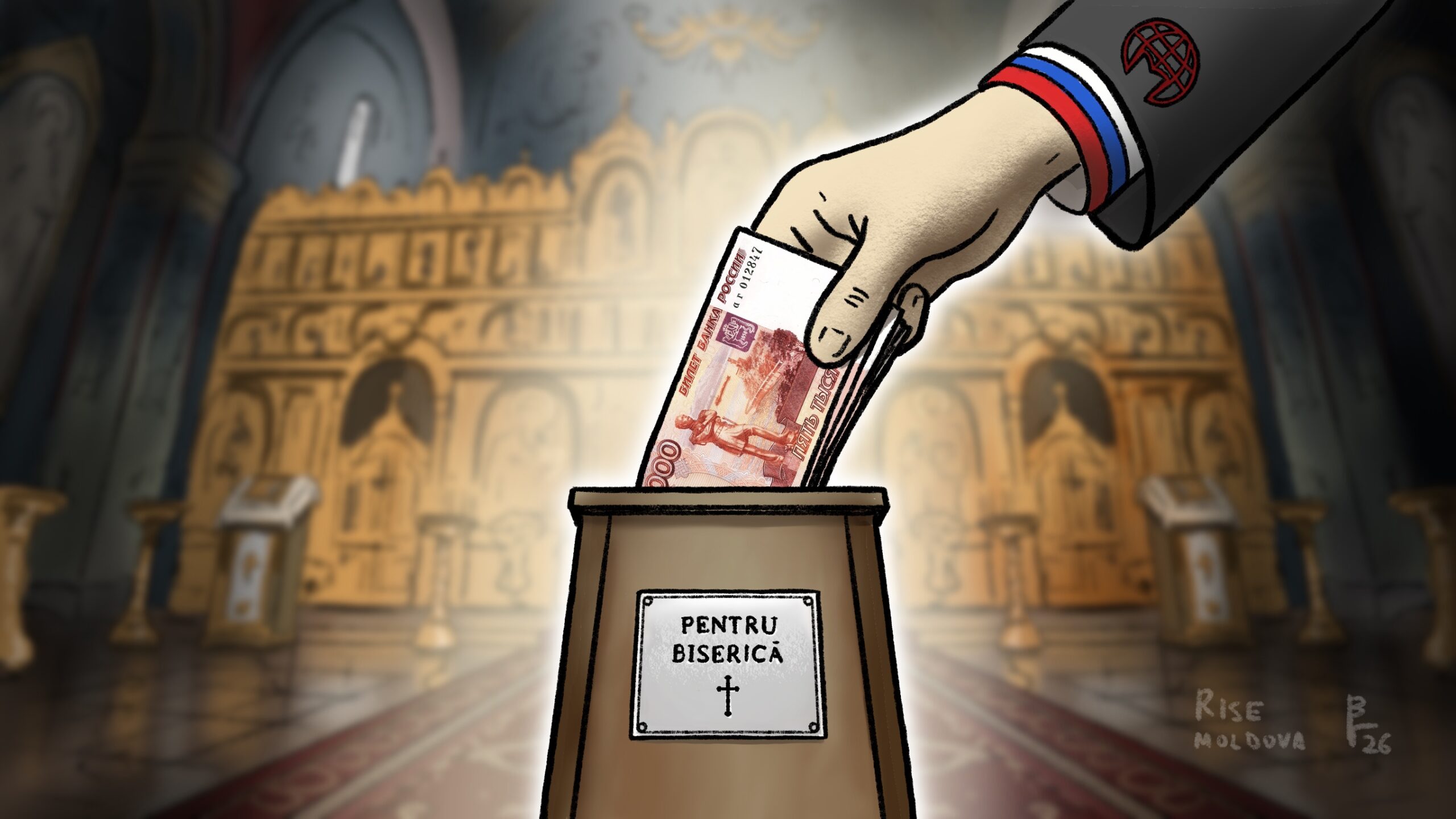
Internal Russian documents show that Moldovan dioceses, churches and religious organizations received – upon request – millions of rubles for cult items, icons, books, and for the renovation and furnishing of worship homes. Some requests were reaching Moscow via the Russian Embassy in Chisinau.
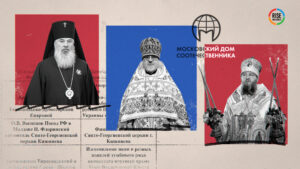
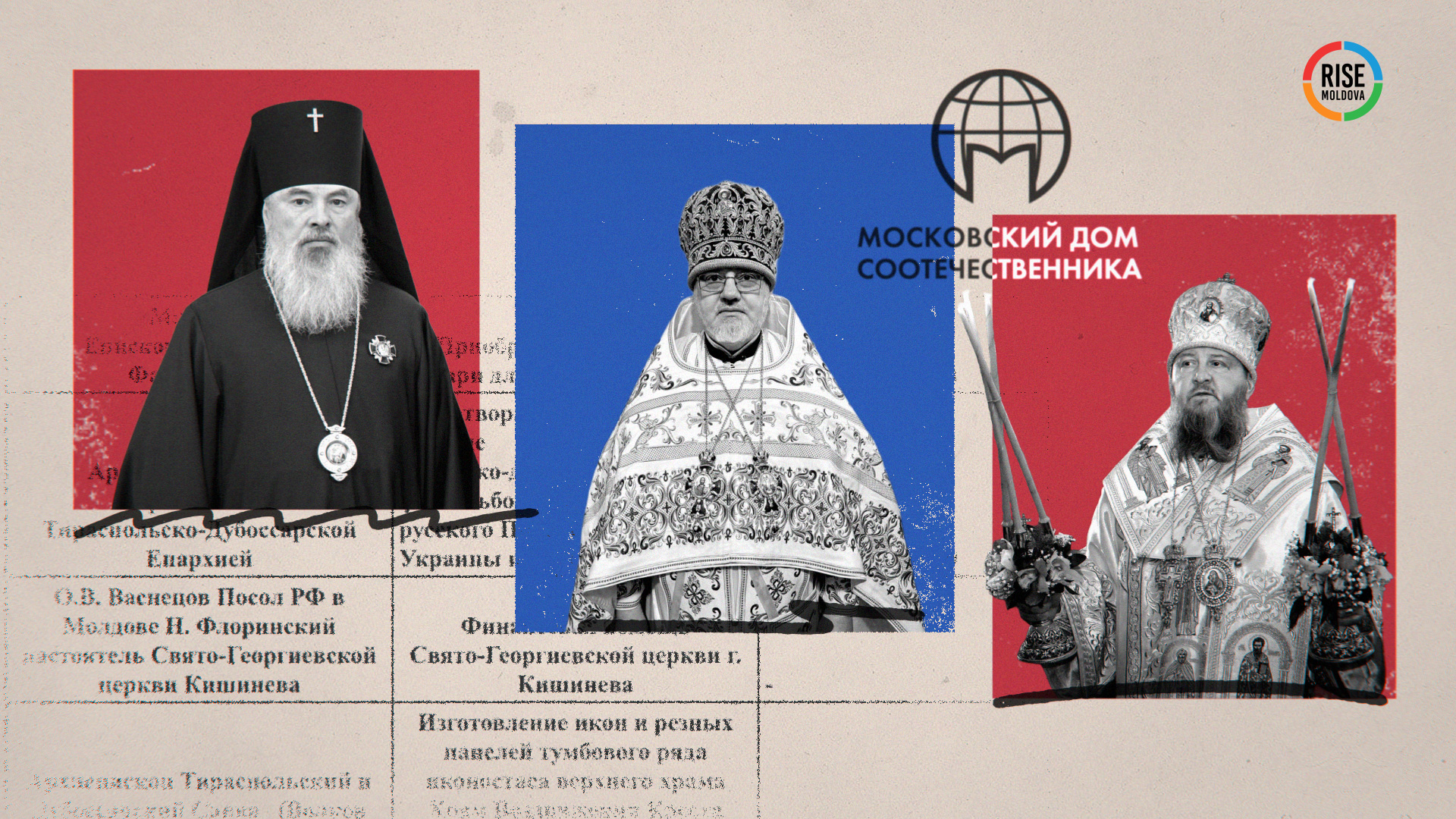
Among the solicitors were Metropolitan Marchel, the Bishop of Balti and Falesti; Metropolitan Sava, the Bishop of Tiraspol and Dubasari; Priest Nicolai Florinschi from Chisinau; as well as organizations from the Gagauzia Autonomy and the Transnistrian region.
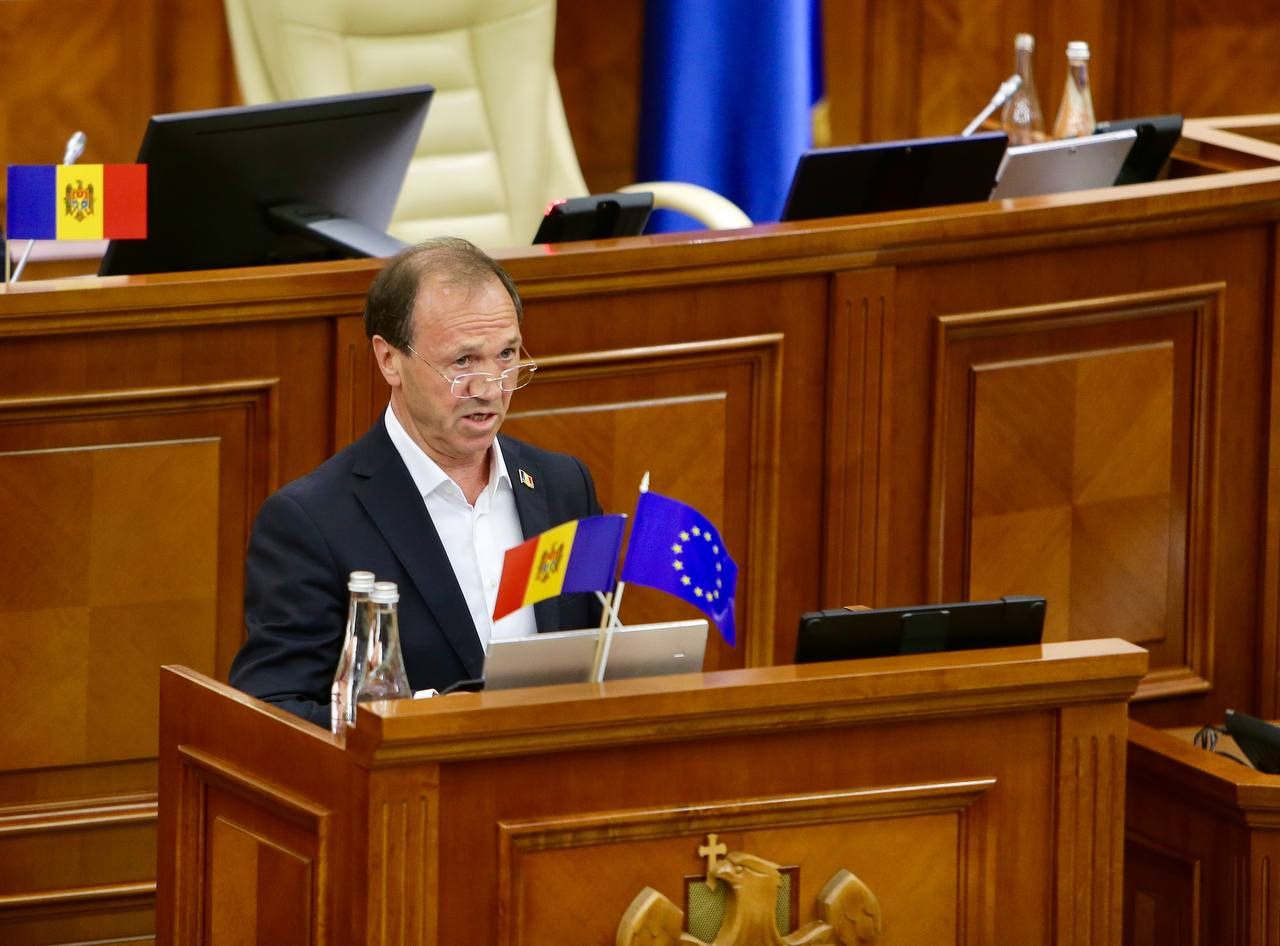
In some cases, even politicians filed requests for donations. One of those was Fiodor Gagauz, at the time a member of the Moldovan Parliament.
The documents are part of a batch containing more than 270,000 internal emails obtained from the Moscow House of Compatriots (Russian: Московский Дом соотечественника) by journalists working for Denmark’s public broadcaster DR and shared with OCCRP and more than 28 international media partners, including RISE Moldova. This effort was part of the project #DragiCompatrioti, which exposes a Russia-backed global influence network that has been operating for more than a decade.
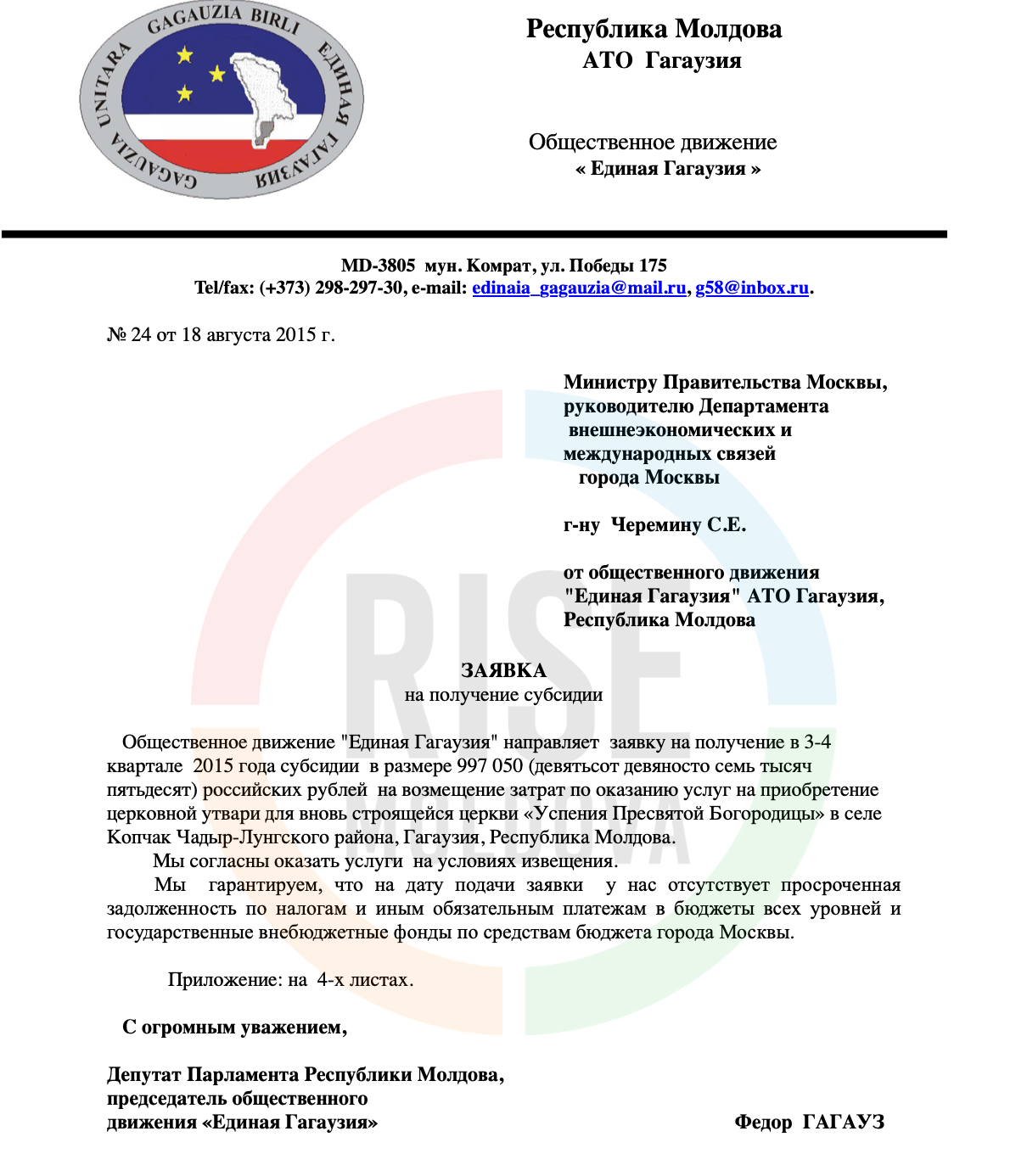
Gilded chalices, tabernacles, crosses, censers, baptismal fonts, vigil lamps, and candlesticks. Each item has a code, a price tag, and a quantity number. A list of 35 items prepared for the of the Dormition of Lord’s Mother Church in the village of Copceac, Gagauzia, indicates a value totaling 997,000 Russian rubles (nearly 300,000 lei at the average exchange rate for 2016, or $15,000 at the exchange rate in September 2026). However, it was not the congregation but the public movement Edinaya Gagauzia that had applied; it was led by Fiodor Gagauz, who at the time was a member of the Moldovan Parliament.
On 18 August 2015, he filed for a grant in a letter to Sergey Cheryomin, a high-ranking official in the Moscow city administration who was running the Department for External Economic and International Relations of the Russian capital. The project’s total value was estimated at 1.2 million rubles. Of this amount, 997,000 rubles was expected to come from the Moscow city budget, while the remainder represented customs duties and transportation costs left to be covered by the organization itself.
The following year, the project appeared in a register of the Moscow House of Compatriots and listed as an application “accepted for implementation.”
The documents analyzed by journalists show that, between 2016 and 2018, religious projects worth at least 8.5 million rubles were accepted or recorded as completed in Russian internal plans for Moldova and its Transnistrian enclave. Other applications were rejected, postponed, or remained with no clear confirmation of funding. Funding for religious projects continued in 2019–2020, although no amounts had been indicated for them.
Asked by RISE Moldova to explain the funding and support for Russian projects in Moldova, the Moscow House of Compatriots declined to provide details.
The Autonomous Public Institution ‘Moscow House of Compatriots’ does not consider there are grounds for participating in the preparation of the material referred to in your request and does not intend to provide any comments or additional information on this matter.
Its response says
he Moscow House of Compatriots (MDS) is a public institution founded in 2003 by the Moscow City Government and funded from the municipal budget of the Russian capital.
MDS supports various types of projects outside Russia, ranging from the promotion of the Russian language, culture, and education to support for Russian-language media, initiatives dedicated to “historical memory,” and parishes affiliated with the Moscow Patriarchate.
Publicly available data, however, show that the institution’s activities have not been limited to cultural projects or support for Russian communities abroad. Like Pravfond, MDS has been linked to pro-Kremlin organizations, to Moscow’s political messaging, and structures involved in supporting Russia’s war against Ukraine.
Studies of Russia’s “soft power” strategy explicitly mention the Moscow House of Compatriots among the structures used to engage with the Russian diaspora and to advance the Kremlin’s influence abroad.
The institution’s name also appears in U.S. court files in the case of Elena Branson. A Russian-American citizen and leader of several organizations representing Russian settlers in the United States, Branson was charged by the U.S. Department of Justice in 2022 with acting in the United States on behalf of the Government of the Russian Federation without registering as a foreign agent. According to the files, Branson received funding from the Moscow House of Compatriots to build a website for the Coordinating Council of Organizations of Russian Compatriots in the U.S., an organization she headed.
She later left the U.S. and fled to Russia.
In August 2026, an investigation published by Belarussian outlet Buro Media, based on the same batch of internal emails, showed that the MDS branch in Minsk received millions of rubles. Following Russia’s full-scale invasion of Ukraine, the MDS’ Belarussian branch hosted exhibitions about the alleged “crimes of Ukrainian neo-Nazis in Donbas” and events championing investment in the Russia-occupied Crimea.
According to Buro Media, between 2021 and 2023, the MDS sent nearly 19 million rubles to an organization whose leader fostered Belarus’ integration within Russia. He also collected and delivered aid for Russian military personnel and has worked for years with Russian organizations involved in Russia’s efforts to expand its influence abroad.
MP and NGO activist
While serving as a member of the Moldovan Parliament, Fiodor Gagauz was also running the nongovernmental association Edinaya Gagauzia (United Gagauzia). Before entering politics, he had worked for nearly two decades in law enforcement and headed the Gagauz autonomy’s Department of Internal Affairs. In his requests to Moscow, Gagauz signed in both of his capacities – as a Member of Parliament and as the chairman of the movement.
The first direct request found by RISE dates back to August 2015. Gagauz requested 997,000 rubles to purchase religious items for the Dormition of Lord’s Mother Church in Copceac, Ceadir-Lunga District, in a letter with Edinaya Gagauzia letterhead. The church was under construction at the time.
A registry tracking projects in the CIS countries for 2016 shows that 11 of the 23 Moldovan applications were “accepted for implementation” that year. The project submitted by Gagauz was among them. Most of the applications from Moldova envisaged social projects, media development, or initiatives promoting Russian culture and history in Moldova.
Construction of the church in Copceac began in 2009 and, according to the website Orthodox.md, by 2026, “the community had raised more than 35 million lei, and an additional six million was still needed to complete the work.”
In 2014, the Moscow House of Compatriots allocated more than 630,000 rubles for another church in Gagauzia. It was the Lord’s Face Transfiguration Church in Comrat, the capital of the Gagauzian autonomy. The money was wired directly to the religious community, which in turn purchased religious items from Sofrino, a company of the Russian Orthodox Church specializing in the production of religious goods.
We learned about this fact from a draft law submitted in 2015 by Fiodor Gagauz and Demian Caraseni in the Moldovan legislature; at that time both members of the Parliament. The initiative, which earned the backing of a majority of MPs, was intended to allow the Comrat parish to import religious items free of customs duties.
In 2017, Gagauz applied for funding for the same purpose, but this time for the Lord’s Mother Cover Church in Vulcanesti. Simultaneously, he bid for support from the Russian ambassador at that time, Farit Mukhametshin, for his application. Gagauz indicated Sofrino as the supplier of the items needed.
On this occasion, we express our sincere gratitude for the continued support provided to Gagauzia, as well as our wishes for peace and prosperity to the brotherly people of the Russian Federation.
Gagauz wrote in closing
Yet his project was declined in 2017 – but then appeared in a list of projects completed in 2018.
Gagauz reportedly received half a million rubles. Four months ahead of the 2019 parliamentary elections, when Gagauz won a seat from the uninominal constituency #46 in Ceadir-Lunga, he offered “a gift from the Moscow authorities.”
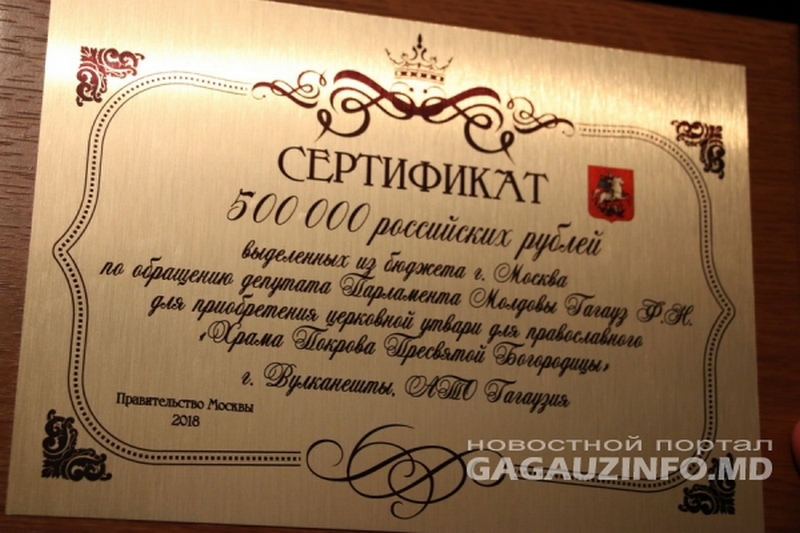
I sent a letter to the Moscow City Government, and a decision has already been made to allocate 500,000 rubles to the church in Vulcanesti for the purchase of religious items. The money has already been transferred, and a contract with a company to manufacture the necessary church items is now being finalized. I would also like to thank the Moscow City Government, which promptly responded to our request.
Fiodor Gagauz was quoted as saying by bloknot-moldova.ru
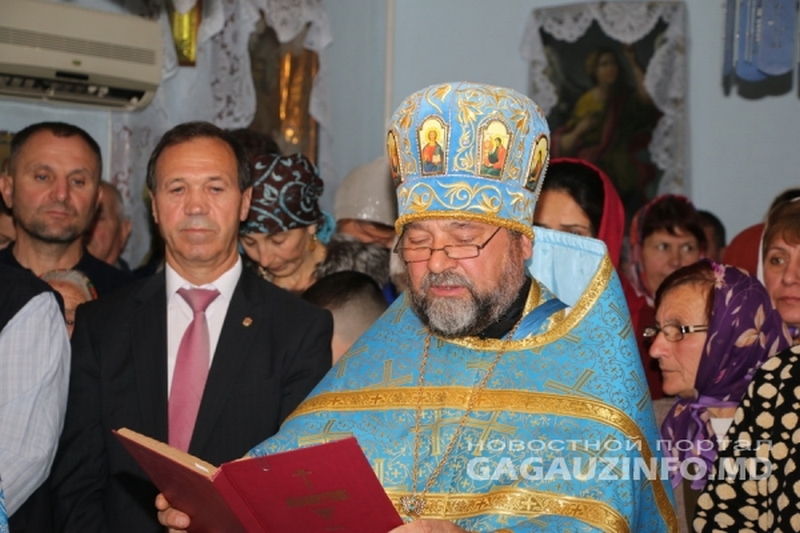
The certificate was handed down during a religious service held to mark Vulcanesti City Day, which the politician also attended.
In 2020, Gagauz’s name appeared alongside the name of Archpriest Veaceslav Polizov in a funding application on behalf of the church in Cismichioi village. No amount was specified.
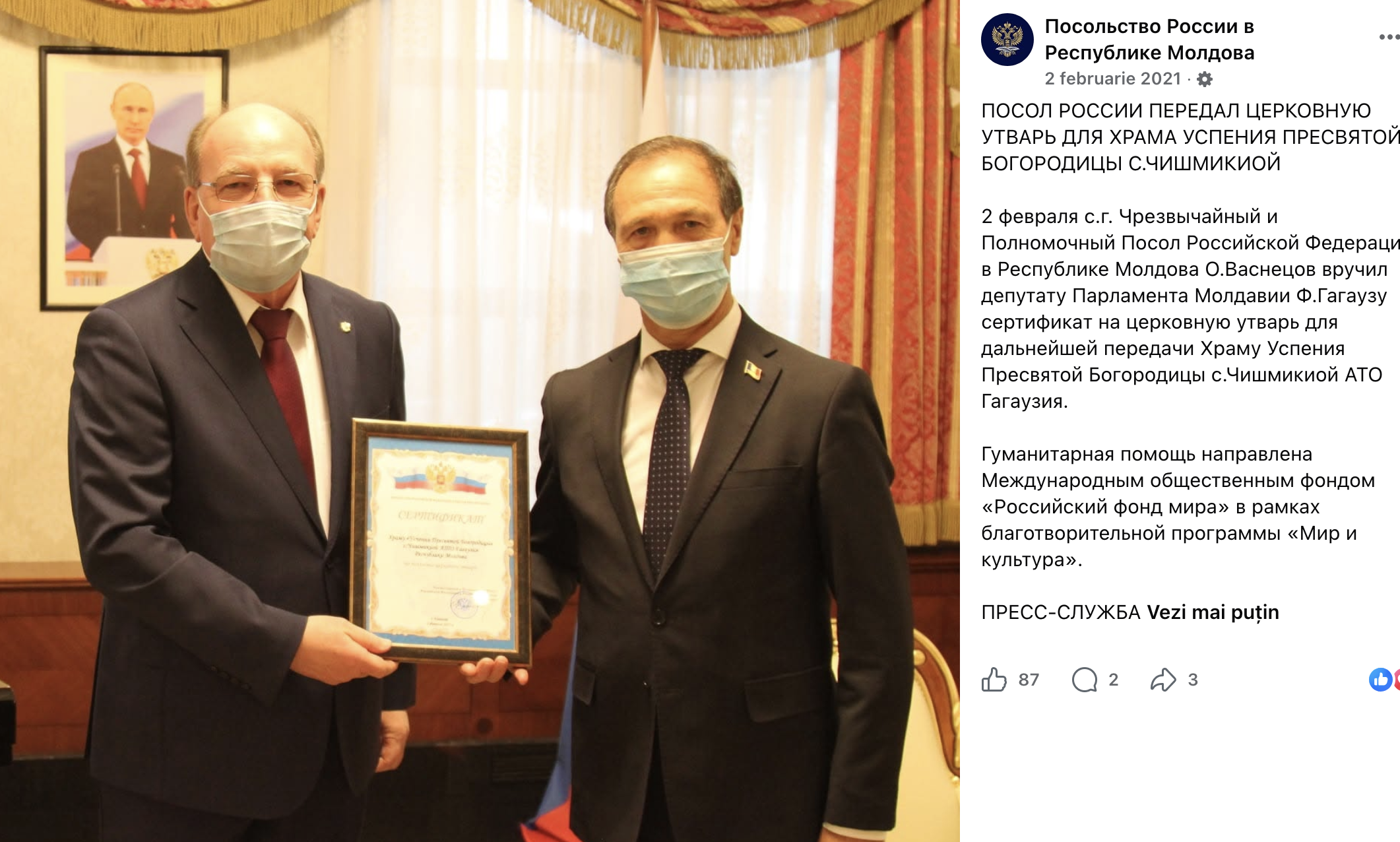
The Russian Embassy to Moldova said in a Facebook post on 2 February 2021 that Fiodor Gagauz had received a cheque for religious items meant for the church in Cismichioi. The funding this time came from another source.
This humanitarian aid has been offered from the International Public Foundation ‘Russian Peace Foundation’ (Российский фонд мира), as part of the ‘Peace and Culture’ charitable initiative.
the Russian Embassy in Chisinau specified in a press release
Fiodor Gagauz served as a member of the Moldovan Parliament between 2014 and 2025, as part of the Socialists Party faction. At the latest parliamentary scrutiny, he no longer ran to retain his seat.
But he has publicly announced his candidacy for the office of Gagauzian autonomy’s governor, competing as an independent in November 2026.
Marchel asks for money for candles
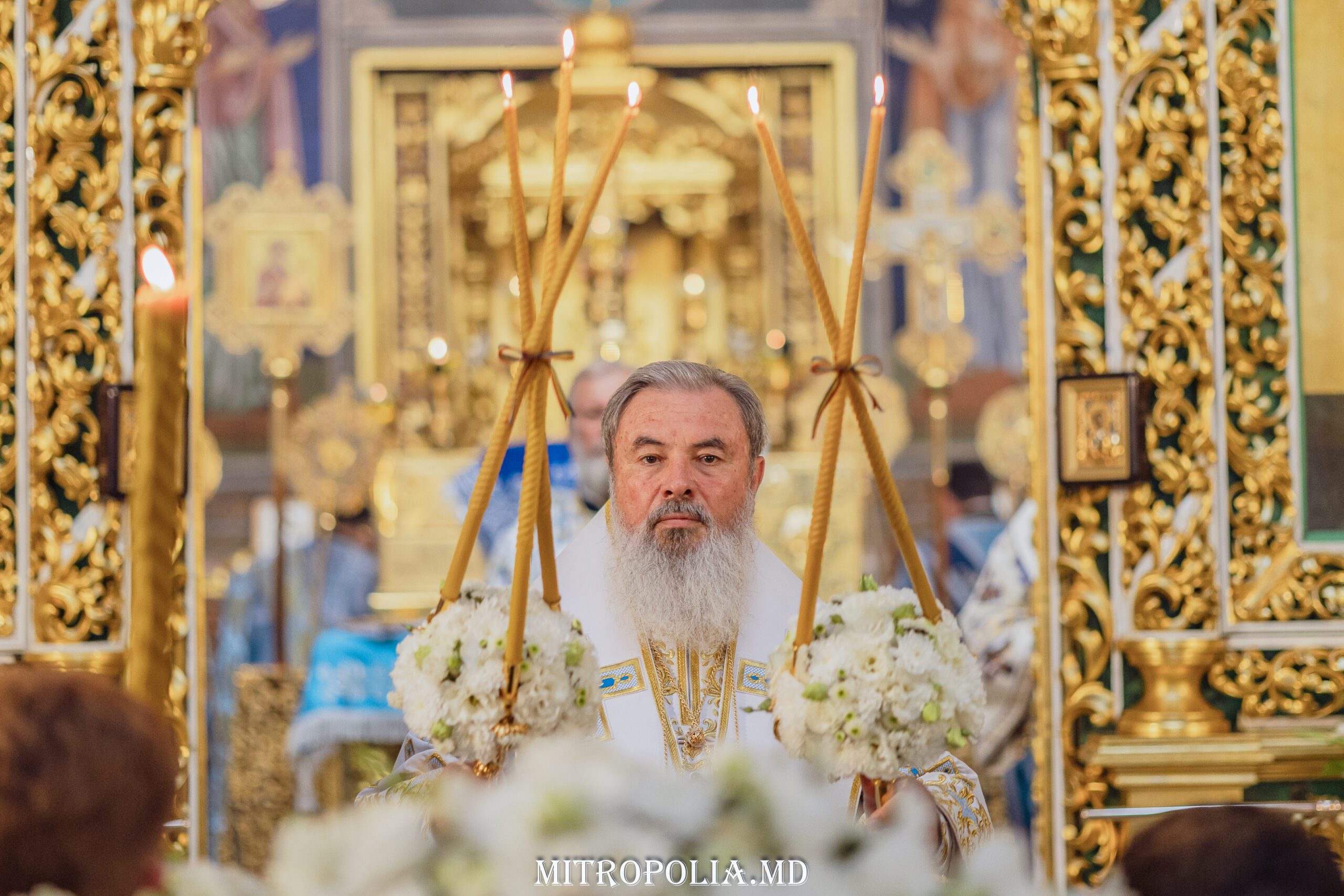
Marchel, whose secular name is Nicolai Mihaescu, is the Bishop of Balti and Falesti within the Moldovan Metropolitan Church, which is canonically under the jurisdiction of the Moscow Patriarchate / Russian Orthodox Church.
In the Moscow House of Compatriots’ registers, Bishop Marchel is listed as an applicant for funding for religious projects in Moldova.
In 2016 files, he appears applying for a project to purchase religious items for his diocese, worth 853,000 rubles. His project is one of the 11 applications from Moldova accepted for implementation.
In 2017, the bishop requested 1.12 million rubles to “purchase candles for parishes.” The request, however, was not approved in its original form.
“The applicant was asked to submit an alternative request. It was received and included in place of the existing one,” reads a document reviewing funding applications submitted in the first quarter of 2017.
Marchel then revised the request. Instead of funding for candles, he sought 1.2 million rubles for “religious items for parishes.” The new request was accepted for consideration.
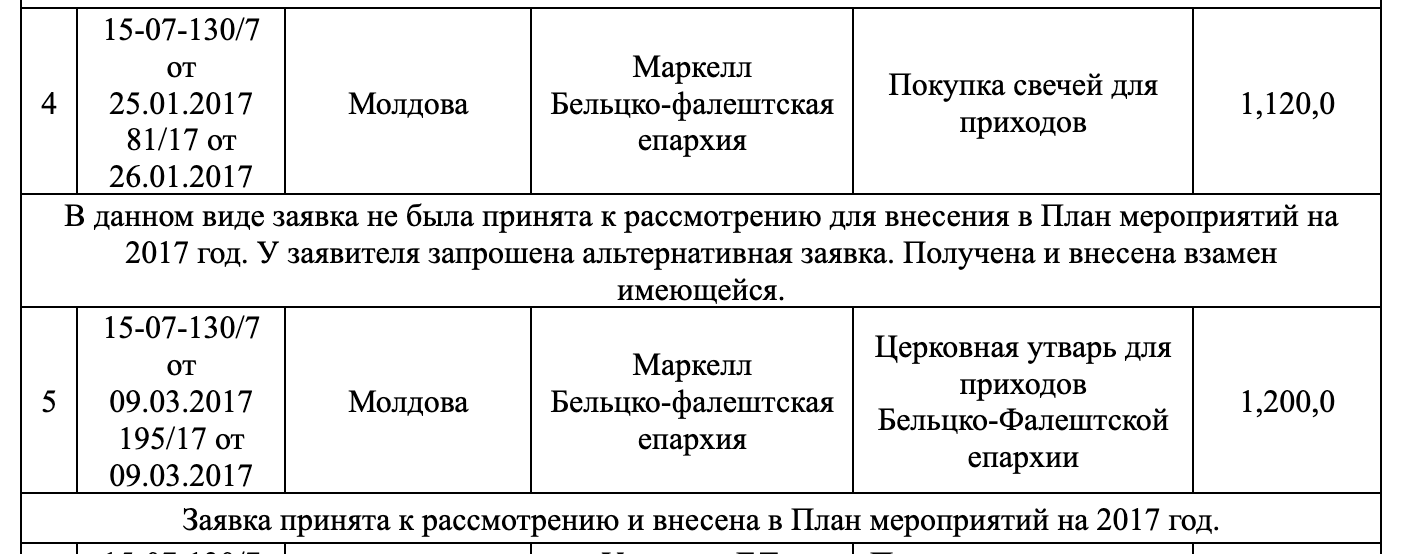
During the same period, five more applications for funding were submitted to the Russian Orthodox Church from countries like Germany, Azerbaijan and Lithuania. Yet, the amount requested by the Bishop of Balti and Falesti was the largest.
A year later, Marchel applied again, seeking about 830,000 rubles for church furniture. This time, the Russian Embassy to Moldova appeared in the circuit as the party required to support the applicant’s cause.
Of the 23 applications from Moldova in 2018, only six received funding, which totaled nearly seven million Russian rubles.
The public discourse of Bishop Marchel has been frequently filled with narratives from Russian propaganda. He depicts the West and European integration as threats to Moldova and to the “true” church meaning the Moscow-controlled Moldovan Metropolitan Church.
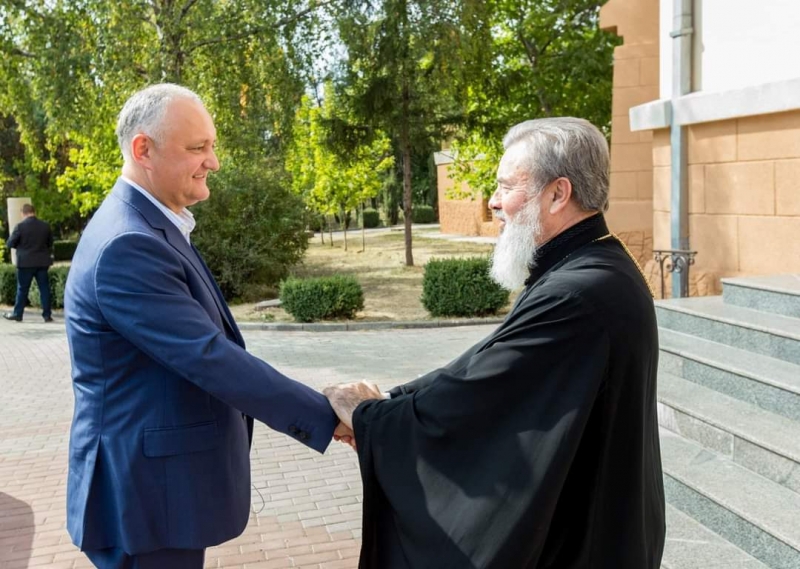
Over the years, the bishop has also become involved in political and electoral disputes and has supported politicians with pro-Russian rhetoric. Read more about Marchel in our section profiles.rise.md.
A priest with backing from an ambassador
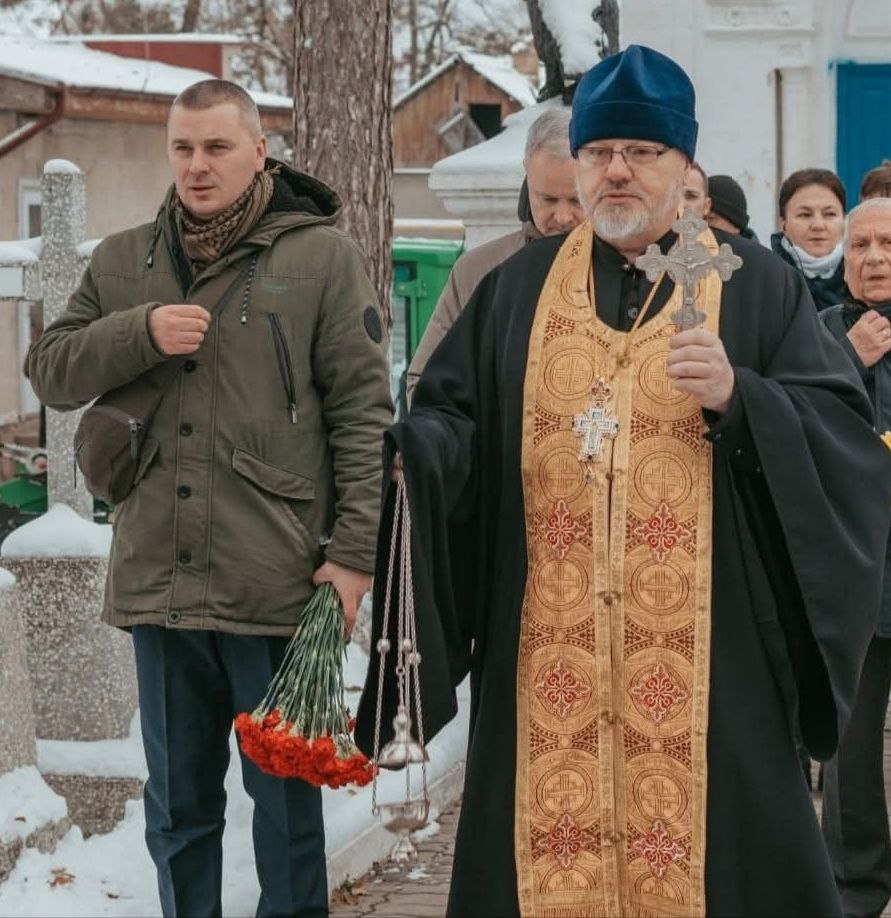
Nicolai Florinschi is the priest servicing the Church of St. George the Great Martyr in downtown Chisinau. Officials at the Moldovan Metropolitan Church said he’s been the caretaker of the given congregation since the church reopened in 1990.
Florinschi’s name has been linked with the influence networks of fugitive oligarch Ilan Sor [shor].
In 2023, Florinschi attended a “congress of popular diplomacy,” organized by Victor Petrov, who at the time was a candidate for governor of the Gagauzian autonomy and was later slapped with European Union sanctions for his affiliation Ilan Sor. According to reports covering that event, the priest publicly expressed his support for Petrov, saying that his churchgoers would pray for him.
Florinschi has also made critical statements about the Orthodox Church of Ukraine, which broke from Moscow in 2018 to become autocephalous, calling it a “pocket political pseudo-church.” He also referred to Ukraine as “the canonical territory of the Russian Orthodox Church.”
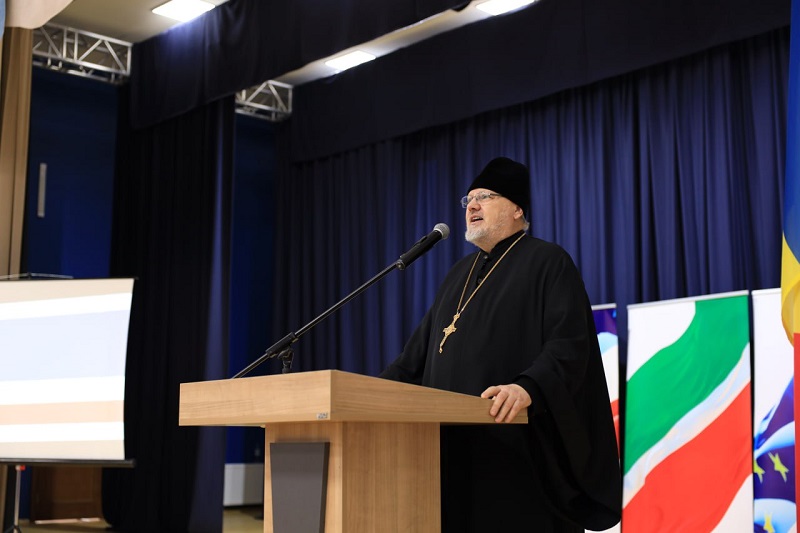
He also criticized the Republic of Moldova’s foreign policy. “The country is under a sinful influence, and anyone who is friends with Russia will suffer very heavy blows, because the West’s goal is to destroy Russia and its friends,” Florinschi was quoted as saying by nokta.md.
In April 2025, police fined Florinschi 37,500 lei (about $2,000) for using the Russian banking app PSB, which was employed to bribe voters in Moldova at scale during several elections, to receive fees for campaigning against European integration during a national referendum a year earlier. Florinschi challenged the fine in court and won.
The Moscow House of Compatriots’ 2019 internal records refer to Florinschi as the chairman of the Russian Community in Moldova.
The church where Florinschi serves is a listed historical monument. It is also the legal address for a nongovernmental organization called the Coordinating Council of Russian Compatriots in Moldova. It is led by Alexei Petrovici, an activist who fuels fears of war and military threats.
Both the organization and Petrovici previously received money from Pravfond, a Russian state foundation that promotes the Kremlin’s agenda under the guise of human rights. It has been flagged as a provider of legal support to alleged spies, criminals and propagandists. Petrovici also appears in the Moscow House of Compatriots’ documents among applicants for funding.
Florinschi, however, had asked money in his capacity of priest.
In a file that lists the applications for funding from CIS countries in 2016-2017, Florinschi’s request for purchases of religious items appears to be rejected.
Two years later, in 2019, the Moscow House of Compatriots provided “financial assistance to the Church of St. George in Chisinau.” Alongside the priest, another applicant appears – Oleg Vasnetsov, who was the Russian ambassador to Moldova at the time. Official books confirm that the project has been completed, but do not specify the amount, the form of assistance, or how the money had been transferred.
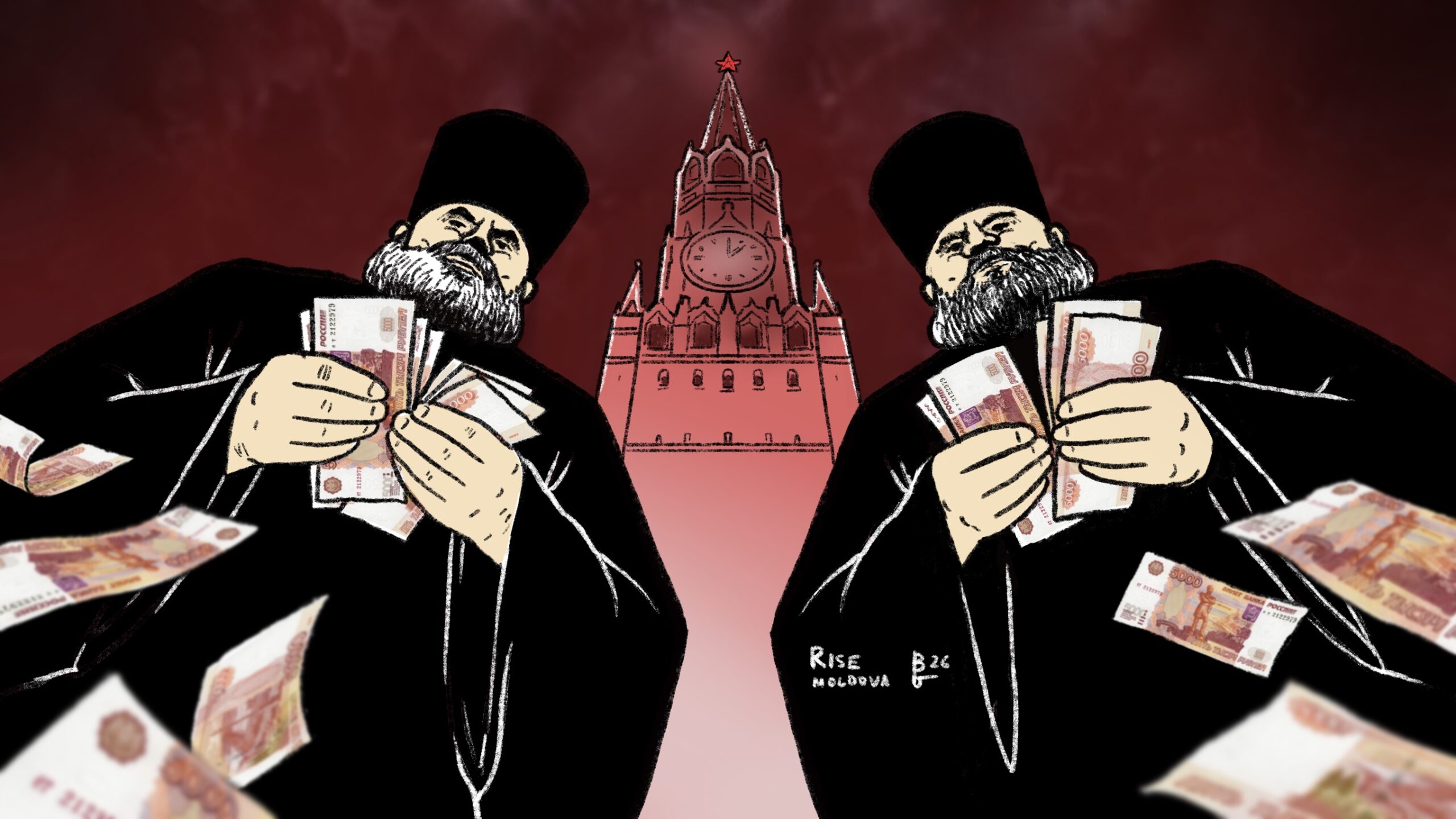
The funding funneled by Moscow to churches in Moldova wasn’t meant for faith only. This becomes clear from a document leaked from the inner circles of the Russian presidential administration, which RISE reported on previously. “Providing support to the Russian Orthodox Church in defending the interests of canonical Orthodoxy in the Republic of Moldova” is one of the “strategic objectives” Moscow planned to achieve by 2030.
A report by Moldova’s Intelligence and Security Service (SIS) shows that, in 2024, around 500 priests and parishioners of the Moldovan Metropolitan Church were allegedly involved in attempts to rig the presidential election and the referendum on European integration. According to SIS, their activities were financially support by the Russian Federation and coordinated by oligarch Ilan Sor, who lives in Moscow.
They travelled to Moscow to learn how to influence the elections. There, they allegedly entered into contracts with the organization Evrazia, received Mir debit cards, and were promised $1,000 for participation.
Rubles for the Diocese of Tiraspol
Russian money has also reached the left bank of the Dniester, a region that has been since 1992 outside Moldova’s constitutional control and is de facto “under Russian occupation”.
RISE has identified five applications submitted between 2016 and 2019 on behalf of Bishop Sava of Tiraspol and Dubasari. Four of them are listed in the documents as approved for funding.
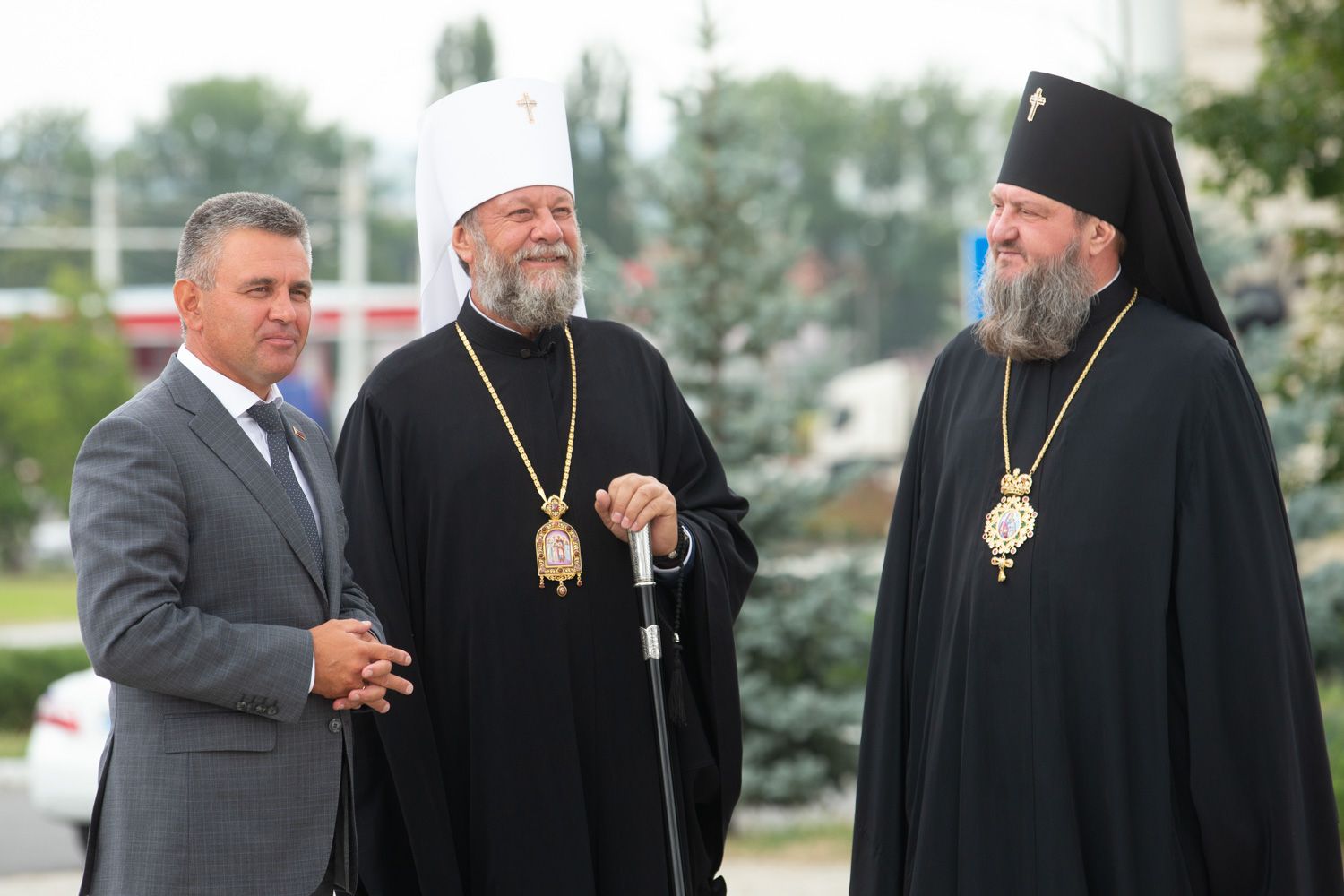
Sava, whose secular name is Sergey Volkov, has been running the Diocese of Tiraspol and Dubasari since March 2010. In the 1990s, he led the Moscow Patriarchate’s department in charge with relations with the armed forces and law enforcement. In 2013, he was elevated to the rank of archbishop.
Volkov was awarded Moldovan citizenship in 2017, ironically on Moldova’s Independence Day, by decree of former president Igor Dodon. A few months earlier, Dodon had awarded Volkov the Order of Honor for “merits in the spiritual and moral rebirth of society and contribution to Christian Orthodox values.”
The bishop, however, is a stubborn defender of the “Russian world” concept, an ally of the separatist administration in Tiraspol and a loyalist of the Moscow Patriarchate.
Transnistrians, regardless of their ethnicity, believe they belong to the Russian world. They are convinced that being a Russian is not merely about bearing a Russian surname, but about loving Russia and calling it homeland.
Sava said in a 2014 public speech marking Russia Day
Financial records for 2016 show that the bishop applied for funding to purchase church furniture for the Exaltation of the Holy Cross Church, which was under construction in Tiraspol. The project, worth 800,000 rubles, appears among the 13 applications from the Transnistrian region accepted for implementation. In the registers, the applications from the left bank of the Dniester are listed separately from those from the right bank.
Sava also asked for money to publish a documentary album called “Holy Places of Russian Orthodoxy in Southern Ukraine and Moldova.” This project was accepted, too, for a subvention of 869,565 rubles.
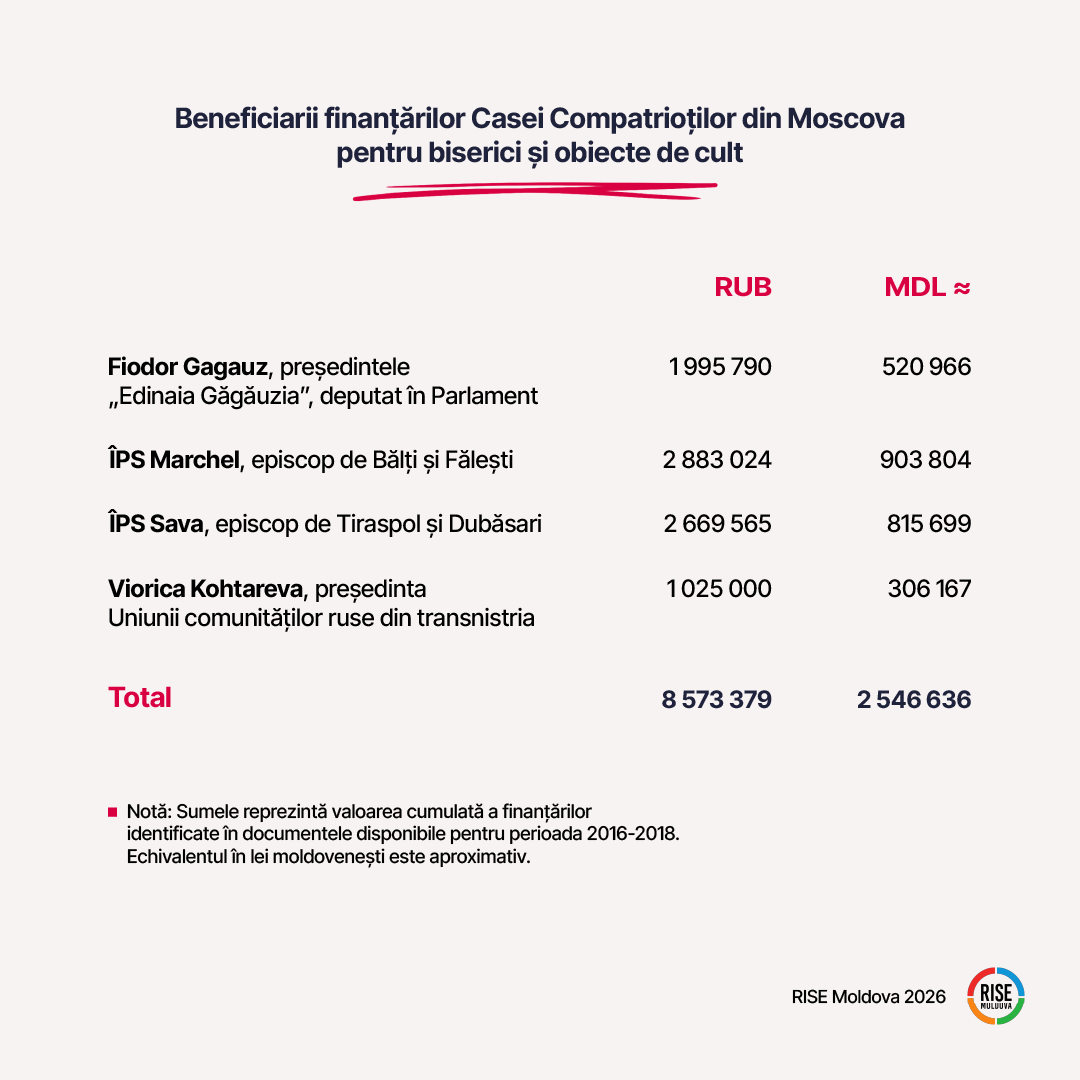
The list of projects completed in 2017 includes another payment of one million rubles for the “purchase of religious items for the Orthodox parish of the Exaltation of the Holy Cross Church in the Diocese of Dubasari.”
The section “Achievements 2019” also identifies an initiative for crafting icons and carved panels for the iconostasis of the same church. No amount specified.
From religious items to “Russian Transnistria”
Viorica Kohtareva, chairwoman of the Union of Russian Communities of Transnistria (Союз русских общин Приднестровья), has also requested money for local churches.
The data analyzed by RISE show her as a frequent applicant for funding from the Moscow House of Compatriots. Many of her projects were social welfare in nature or advertised the Russian Federation in the Transnistrian region.
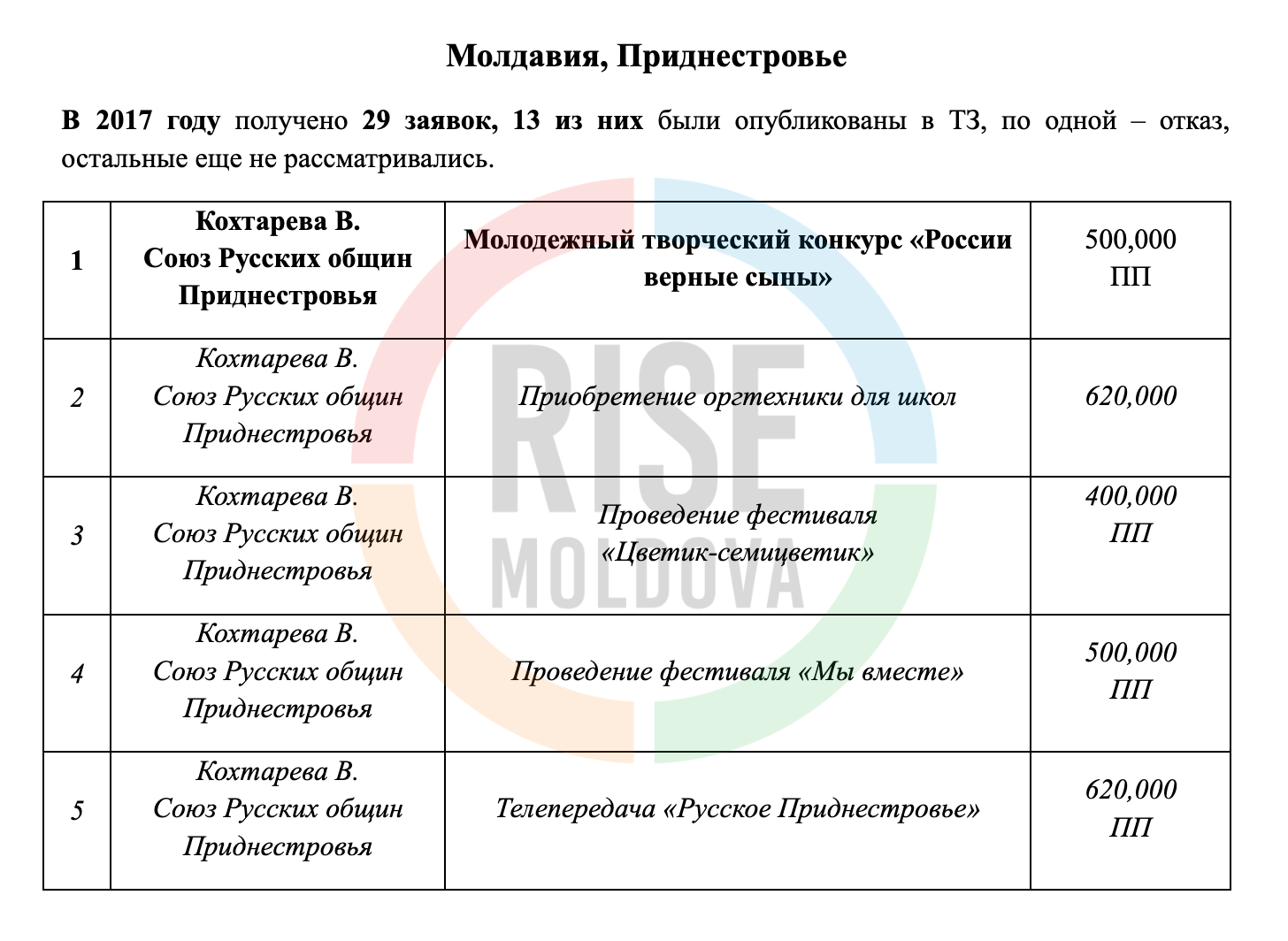
Among these there’s a TV show titled “Russian Transnistria,” the contest “Loyal Sons of Russia,” aid packages for war veterans, New Year gifts, books, and wheelchairs.
RISE Moldova previously reported that Kohtareva is a notorious pro-Russia activist in the breakaway enclave. In 2014, she launched a petition calling for the annexation of the region by the Russian Federation, following the example with the Crimean Peninsula.

Kohtareva and her association has also received money from Pravfond for legal consultations related to acquiring Russian citizenship and paperwork compliant with Russian Embassy rules, such as the criminal record certificates or repatriation documents, as well as other awareness activities targeting the Russian community.
In 2016, Kohtareva received just over one million rubles to purchase religious items and church literature. The beneficiaries listed in the documents were the Face Change Cathedral, the Holy Forefathers Joachim and Anna Church, the Blessed Andrew Church, the St. John the Baptist Monastery, as well as the Orthodox Sunday schools in Tiraspol and Bender.
RISE Moldova has sent requests for comment to all parties mentioned in this investigation. None had replied by the time of publication